01feature
Plate Recognition
Recognition and mobile workflows reduce repeated typing during vehicle intake.
- Recognize a plate and locate customer context
A mobile staff workspace for recognition, customers, vehicles, intake, service orders, goods, inventory-related operations, settlement, and store tasks.
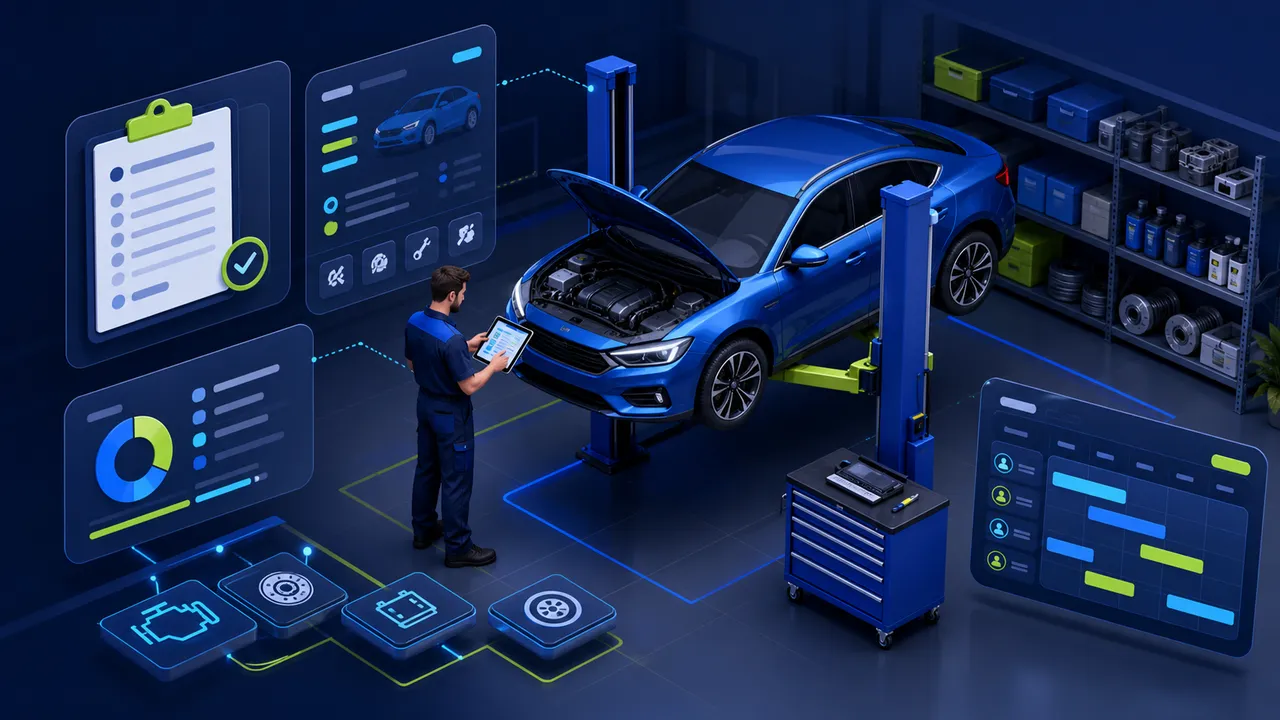
Mobile tool for shop staff. Scan license plates to create orders, complete check-in, dispatch, and checkout workflows on the phone.
Recognition and mobile workflows reduce repeated typing during vehicle intake.
Staff can process relevant store actions without returning to a desktop for every step.
Customer, vehicle, order, and store records remain available to connected administration workflows.
Designed around implemented workflows to reduce repeated work and coordination overhead.
Every YCPLANET product is designed to remove a real operational obstacle, then turn the improved process into a repeatable team capability.
Teams need a simpler, more reliable way to handle: Recognize a plate and locate customer context.
Recognition and mobile workflows reduce repeated typing during vehicle intake.
Teams need a simpler, more reliable way to handle: Create and process intake or service orders.
Staff can process relevant store actions without returning to a desktop for every step.
Teams need a simpler, more reliable way to handle: Handle store tasks from a mobile device.
Customer, vehicle, order, and store records remain available to connected administration workflows.
Implementation covers requirements, environment preparation, data initialization, onboarding, and acceptance—not merely a login URL.
Define roles, scenarios, data sources, permissions, and measurable success criteria.
Set up organizations, accounts, master data, and rules; clean and validate historical data before import.
Pilot with a representative team, measure outcomes, resolve adoption issues, and expand progressively.
Access can be planned by organization and role. Sensitive data should follow least-privilege, data-minimization, and periodic-review principles. Enterprise customers can further assess dedicated environments, backups, and auditing.
AI output supports research and operations but does not replace legal, medical, or financial judgment. Features, capacity, retention, and integrations depend on the selected edition and confirmed delivery scope.
Value comes from a faster, clearer, and continuously improvable workflow—not from a longer feature list.
Recognition and mobile workflows reduce repeated typing during vehicle intake.
Staff can process relevant store actions without returning to a desktop for every step.
Customer, vehicle, order, and store records remain available to connected administration workflows.
Use recognition or manual search to find the correct records.
Build the intake or service order with the required items and ownership.
Record operational changes through processing, settlement, and delivery.
Recognition supports intake speed, but staff should verify and correct the result before using it in an order.
The administration code contains operators, routes, stores, and configuration needed to control operational access.
It is designed to work with the customer and administration sides of the same vehicle-service workflow.
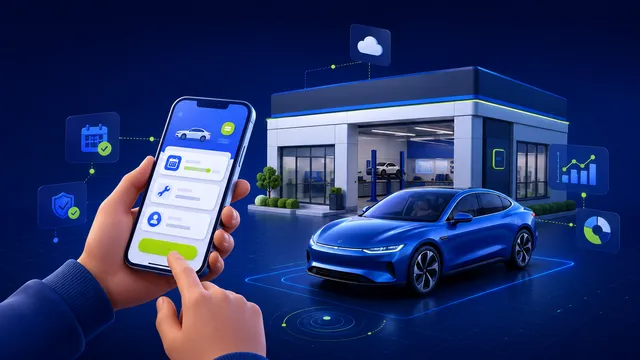
A customer-facing mini app for vehicle-service stores, covering account, store membership, service access, orders, balance, payments, notices, and feedback.
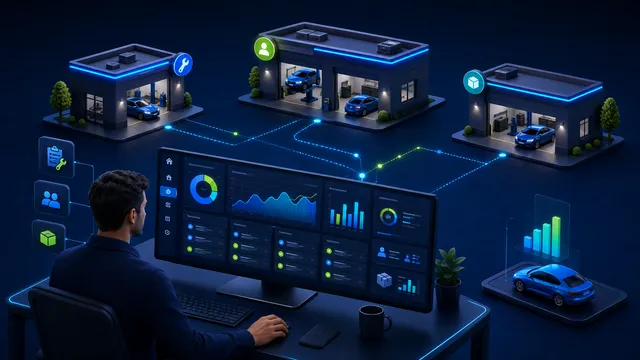
A web administration system for stores, operators, customers, vehicles, goods, products, suppliers, service orders, billing, balances, payments, and configuration.

Manage clue pools, routing rules, customers, contacts, follow-up records, attachments, orders, roles, and notifications in one sales collaboration flow.
Tell us about your team, current process, and goals for a product or implementation recommendation.